Dr. Devyani Shashank Mahajan is a distinguished Mumbai-based Gynaecologic Oncosurgeon practicing at Nanavati Max Institute of Cancer Care. She holds an MCh in Gynaecologic Oncology from Tata Memorial Hospital and a DNB in Obstetrics & Gynaecology from KEM Hospital Pune. With over 14 years of experience, Dr. Mahajan specializes in complex cytoreductive surgeries, fertility-sparing procedures, minimally-invasive laparoscopic and robotic oncology surgeries, and HIPEC protocols for advanced cancers.
A meticulous clinician and published researcher, she emphasizes personalized, evidence-based treatment plans, balancing advanced surgical interventions with compassionate patient care. Dr. Mahajan is known for her pre-surgical counselling, detailed prognosis discussions, and long-term follow-up, ensuring patients feel informed, reassured, and empowered throughout their treatment journey. Her dedication to academic excellence, surgical precision, and patient advocacy makes her one of the most trusted gynaecologic oncology experts in Mumbai.

- Call Us: 9545356842
- Email Us: devyani.m@gmail.com
Dr. Devyani Shashank Mahajan – Expert Gynaecologic Oncosurgeon in MumbaI
Providing Advanced, Compassionate Cancer Care with Precision Surgery and Personalized Treatment Plans

From Prevention to Comprehensive Gynaecologic Oncology Care
Early detection, cytoreductive surgery, and long-term follow-up with evidence-based precision and compassionate counselling

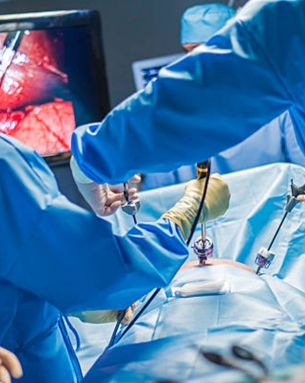
Minimally-Invasive Surgeries for Safer Cancer Treatment
Small incisions, precision techniques, and faster recovery

Fertility-Sparing Procedures for Women with Cancer
Protect reproductive potential while treating malignancy

Advanced Cytoreductive & HIPEC Surgeries
Targeted treatment for complex and advanced gynaecologic cancers

Preventive Oncology and Early Cancer Detection
Routine screening, risk assessment, and timely interventions
.jpg)
Comprehensive Genetic Counselling and Personalized Care
Assess hereditary risk and design individualized treatment plans

.jpg)
.jpg)
 (1).jpg)
.jpg)
.jpg)
 (1).jpg)

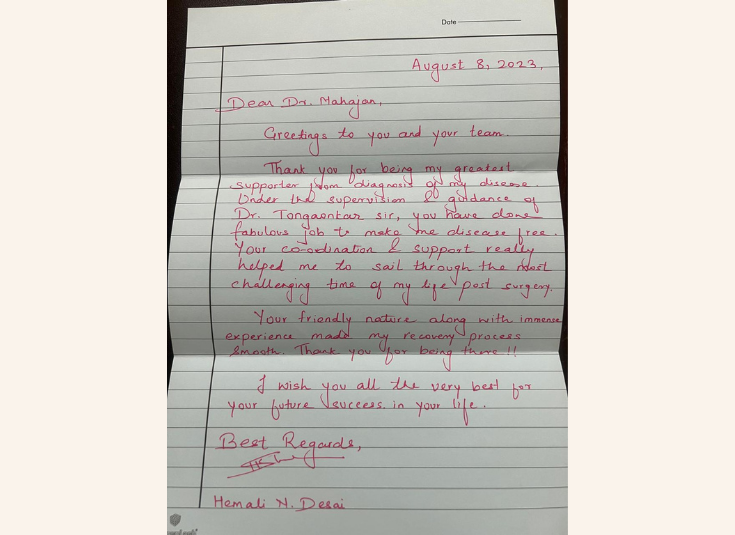
When I was diagnosed with ovarian cancer, I was terrified. Dr. Devyani patiently explained every step, helped me understand my options, and guided me like family.
Neha S.
Dr. Devyani Shashank Mahajan
About Us
Dr. Devyani Shashank Mahajan – Leading Gynaecologic Oncosurgeon in Mumbai
Dr. Devyani Shashank Mahajan is a distinguished Gynaecologic Oncosurgeon based at Nanavati Max Institute of Cancer Care in Mumbai. With over 14 years of experience, she specializes in advanced surgical interventions for gynecological cancers, including radical cytoreductive surgeries and fertility-sparing procedures. Her expertise extends to minimally invasive techniques, such as laparoscopic and robotic surgeries, ensuring precision and reduced recovery times. Dr. Mahajan is also proficient in Hyperthermic Intraperitoneal Chemotherapy (HIPEC), a complex procedure for treating peritoneal surface malignancies.
A graduate of Tata Memorial Hospital (MCh – Gynaecologic Oncology, 2019) and KEM Hospital Pune (DNB – Obstetrics & Gynaecology, 2014), Dr. Mahajan combines academic excellence with compassionate patient care. She is actively involved in research and international collaborations to advance the field of gynecologic oncology.
At Nanavati Max Hospital, she offers comprehensive services, including preventive oncological procedures, cancer surveillance, and genetic counselling. Her approach emphasizes personalized treatment plans, ensuring patients receive holistic care tailored to their individual needs. Dr. Mahajan's commitment to advancing the field of gynaecologic oncology and her dedication to patient well-being make her a trusted and respected specialist in Mumbai.
10+
Years of Dedicated Experience in Gynecological Oncology
10K+
Surgeries Performed
25K+
Happy Women
Our Specialization

Gynae Oncology

Ultra- radical Cytoreductive surgery

Fertility- Sparing surgery

Laparoscopic Surgery

Robotic Surgery
Our Healthcare Services
Comprehensive gynecologic oncology care with personalized patient-focused treatment





Dr. Devyani Shashank Mahajan
Gynecologist
.jpeg)
- MCh – Gynaecology Oncology (Tata Memorial Hospital, 2019) DNB – Obstetrics & Gynaecology (KEM Hospital Pune, 2014) MBBS – Topiwala National Medical College, Mumbai (2009)
- 14.0 Years Of Experience
- Licence No. MMC 2009/03/1116
- Call
- Video Call
- In person
Media Pictures



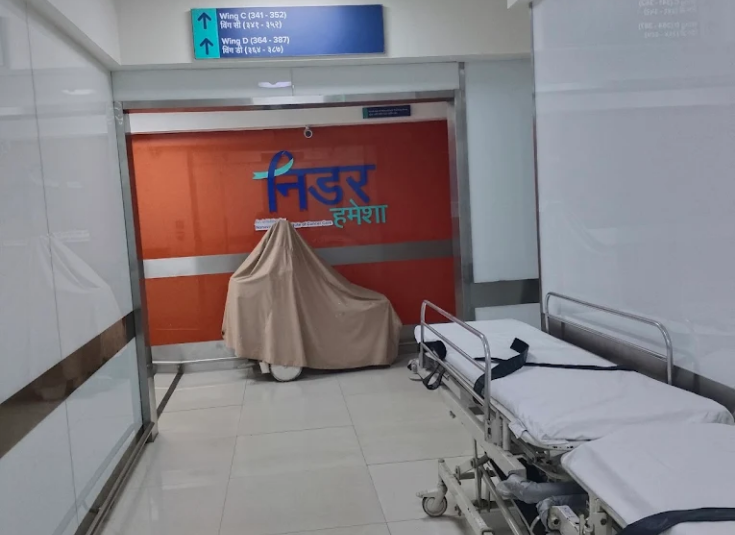
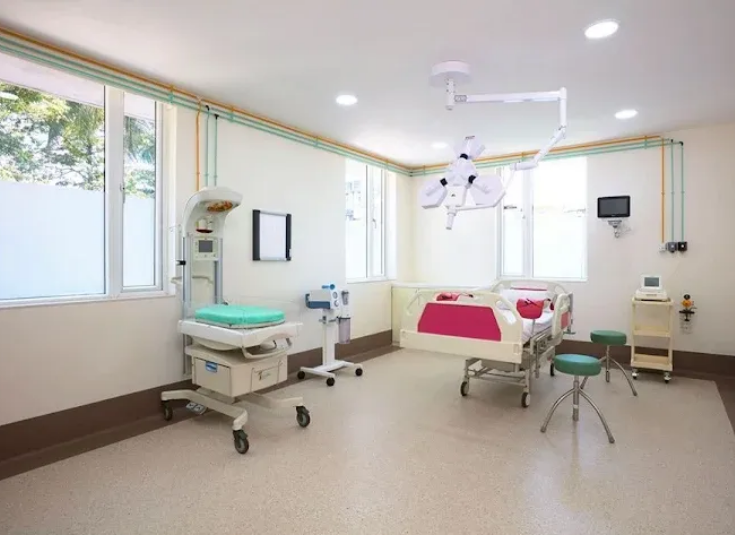

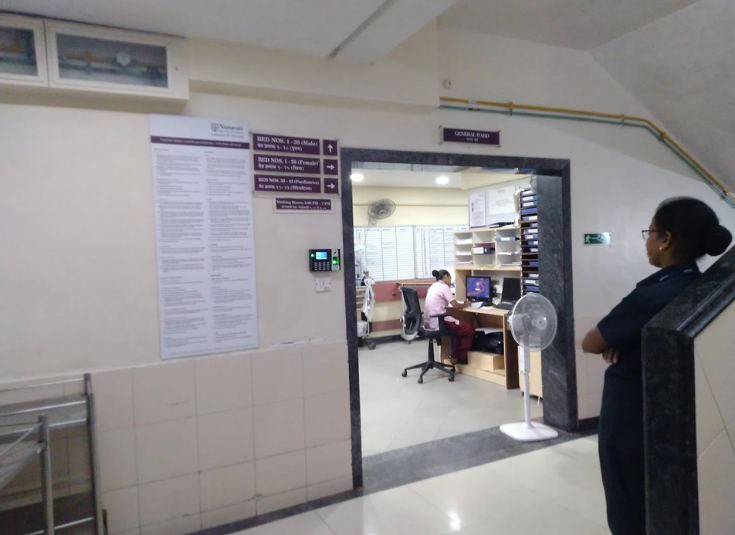
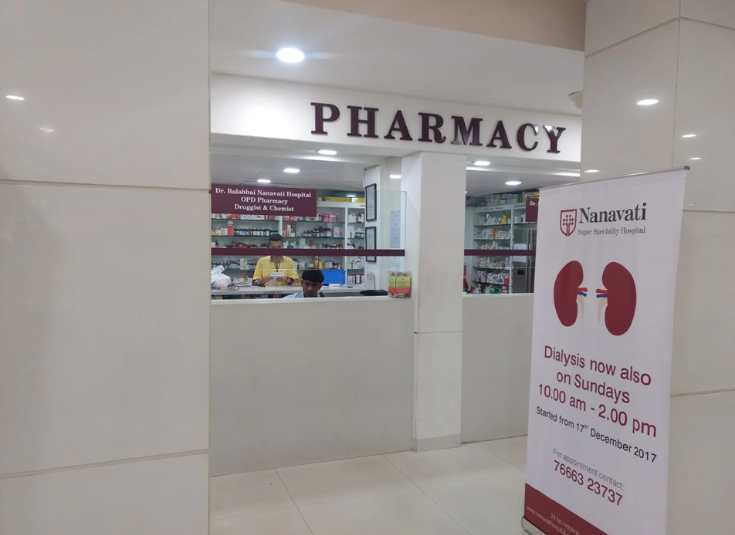

Frequently Asked Questions
Need Answers? Find them here...
What types of gynecologic cancers does Dr. Devyani Mahajan treat?
A: Dr. Mahajan specializes in the surgical management of ovarian, cervical, endometrial, and other gynecologic cancers. She performs advanced procedures including cytoreductive surgery, fertility-sparing interventions, minimally invasive laparoscopic and robotic surgeries, and HIPEC for complex cases. Her personalized treatment plans ensure the best possible outcomes for each patient.
Does Dr. Mahajan provide fertility-sparing treatment options for cancer patients?
Yes, Dr. Mahajan offers fertility-sparing procedures for women diagnosed with gynecologic cancers, enabling them to preserve reproductive potential while receiving effective cancer treatment. She carefully assesses each patient’s condition and provides minimally invasive techniques and individualized plans to maintain both health and fertility whenever feasible.
That is involved in the surgical management of gynecological cancers?
Surgical management involves the removal of cancerous tissue from organs such as the uterus, ovaries, cervix, or fallopian tubes. Procedures can range from minimally invasive laparoscopic surgery to complex cytoreductive surgeries, depending on the stage and location of the cancer. The goal is to remove the tumor completely while preserving organ function where possible and ensuring optimal long-term outcomes
Is surgery the only treatment for gynecologic cancers?
Surgery is a primary treatment for many gynecologic cancers, but it is often combined with chemotherapy, radiation, or targeted therapies. The treatment plan is personalized based on the cancer type, stage, and patient’s overall health. Surgery aims to remove tumors while other therapies help prevent recurrence and manage advanced disease for a comprehensive, effective treatment approach.
Is surgery the only treatment for gynecologic cancers?
Surgery is a primary treatment for many gynecologic cancers, but it is often combined with chemotherapy, radiation, or targeted therapies. The treatment plan is personalized based on the cancer type, stage, and patient’s overall health. Surgery aims to remove tumors while other therapies help prevent recurrence and manage advanced disease for a comprehensive, effective treatment approach.
What are fertility-sparing procedures?
Fertility-sparing procedures are surgical interventions designed to treat gynecologic cancers while preserving a woman’s ability to conceive. These procedures carefully remove only the affected tissue and retain healthy reproductive organs. They are suitable for select patients with early-stage cancers and require careful pre-surgical evaluation, planning, and follow-up to ensure both oncological safety and reproductive potential.
Who is eligible for fertility-sparing surgery?
Women with early-stage ovarian, cervical, or endometrial cancers who wish to preserve fertility may be considered for these procedures. Eligibility is determined based on tumor type, stage, size, and overall health. Surgeons ensure that cancer removal is complete while minimizing risks to reproductive organs. Patients also receive detailed counseling regarding future pregnancy and long-term monitoring.
What are minimally-invasive oncology procedures?
Minimally-invasive oncology procedures use small incisions, laparoscopic instruments, or robotic systems to remove tumors with precision. These techniques reduce blood loss, minimize scarring, and shorten recovery time compared to traditional open surgery. They are commonly used in gynecologic oncology for ovarian, cervical, and endometrial cancers, offering safe and effective treatment while enhancing patient comfort and post-operative recovery.
What are the benefits of minimally-invasive cancer surgery?
Benefits include smaller incisions, reduced pain, faster recovery, lower risk of infection, and shorter hospital stays. Minimally-invasive procedures also allow for precise tumor removal while preserving healthy tissue and organs. Patients experience quicker return to normal activities and improved overall quality of life, making these procedures a preferred choice for suitable candidates in gynecologic oncology.
What are preventive oncological procedures?
Preventive oncological procedures aim to detect cancer early or reduce risk in high-risk individuals. This includes screenings, prophylactic surgeries, and risk-reduction strategies for women with a family history of gynecologic cancers. These procedures help in early detection, timely intervention, and potentially avoiding the development of invasive cancer. Regular monitoring and lifestyle guidance are also part of preventive care.
Who should undergo preventive gynecologic procedures?
Women with a family history of ovarian, cervical, or endometrial cancers, genetic predispositions, or other risk factors should consider preventive procedures. Screening tests, imaging, and sometimes prophylactic surgeries can be advised to reduce cancer risk. Early detection and preventive strategies significantly improve outcomes and ensure timely, effective treatment if needed.
What does cancer surveillance involve?
Cancer surveillance includes regular follow-ups, imaging, blood tests, and physical examinations to monitor patients after treatment. The goal is to detect recurrence or new cancers early, assess recovery, and manage any long-term treatment effects. Surveillance is essential for maintaining patient health and ensuring timely intervention if any issues arise post-treatment.
How often is surveillance done?
The frequency of surveillance depends on the type and stage of cancer, treatment received, and patient-specific risk factors. Typically, follow-ups are more frequent in the first 2–3 years after treatment, gradually spacing out over time. Each patient receives a personalized surveillance schedule to optimize early detection and ongoing health management.
What is genetic counselling in gynecologic oncology?
Genetic counselling evaluates a patient’s inherited risk of developing gynecologic cancers, often through family history and genetic testing. It helps patients understand their risk, make informed decisions about preventive measures, and plan early detection strategies. Counselors also guide patients regarding fertility, lifestyle modifications, and personalized treatment options based on genetic predisposition.
Who should consider genetic counselling?
Women with a strong family history of ovarian, breast, or endometrial cancers, early-onset cancers, or known genetic mutations (like BRCA1/2) should consider genetic counselling. It helps in identifying high-risk individuals, planning preventive strategies, and making informed decisions regarding surveillance, surgery, or lifestyle adjustments to reduce cancer risk.
Location & Location Map
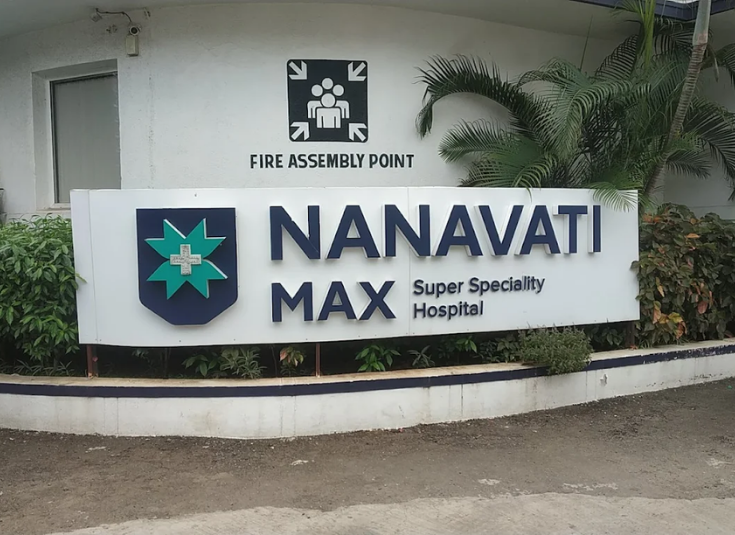
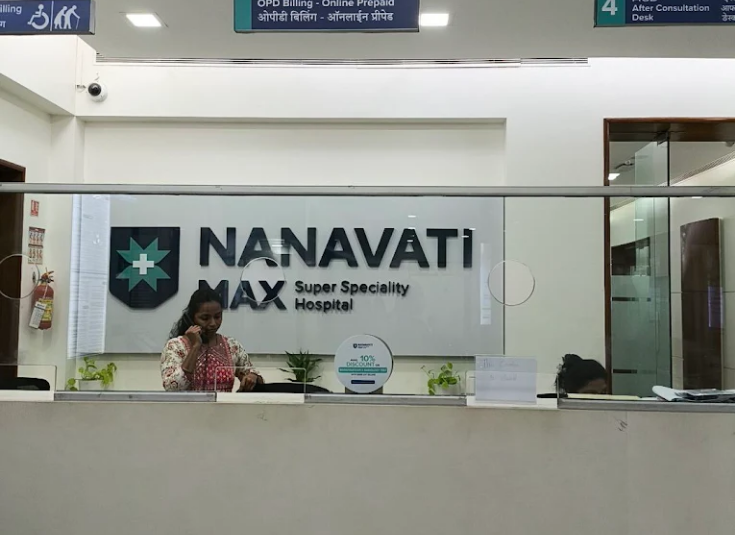
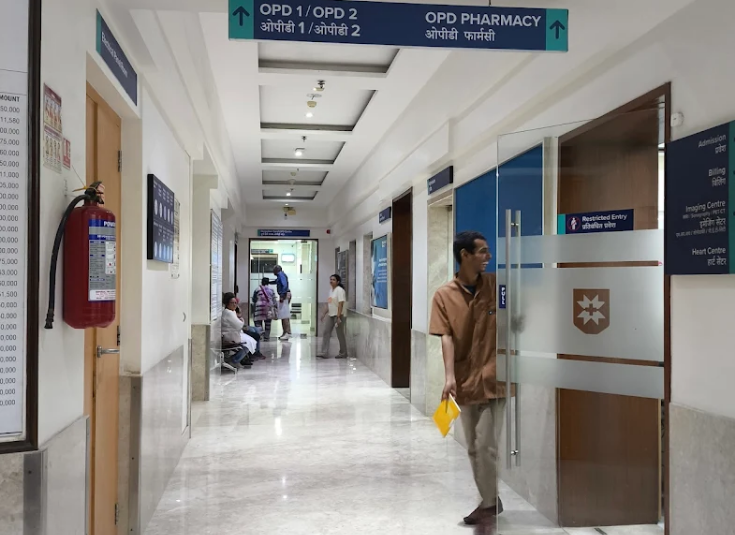
 Address :Nanavati Max Super Speciality Hospital Mumbai, Swami Vivekanand Rd, next to Suresh Colony, LIC Colony, Suresh Colony, Vile Parle West, Mumbai 400056, Maharashtra
Working Hours
MONDAYClosed
TUESDAYClosed
WEDNESDAYClosed
THURSDAYClosed
FRIDAYClosed
SATURDAYClosed
SUNDAYClosed